

Choosing a Bedside Cot for Twins
It is recommended to keep the twins who are just born close to each other, but you should also adhere to safety sleep guidelines. Choosing the right crib arrangement will help your twins develop a consistent routine of sleep.
A double bassinet that comes with a divider can be a great choice for twins. These portable beds let parents keep their infants close for mid-night feedings and diaper changes. They are also ideal for infants who might outgrow their bassinets before 2 years old.
Space-Saving
Twins can sleep side-by-side in a bedside crib, as long as you follow the safe guidelines for sleeping (that's to say they should be lying on their backs, with the tops of their heads facing each other and feet at opposite sides of the cot). When they're old enough, they can also sleep together in a Moses Basket or a regular crib.
This Delta double bassinet has mesh dividers that allow babies to be separated but still close. It also has a storage pocket for wipes and snacks. It folds flat and makes it easy to manoeuvre around the house or on trips.
Another option is the EZ Fold Twin Bassinet from Walmart, which swivels to bring the twins who are fussy closer to you for feeding and soothing. The sides can be raised and lowered for access and secure themselves to ensure your child's safety. It's a bit heavier and longer than some other options, but it's great for second floors or grandparent homes, and it comes with a travel bag. It's also less expensive than the Halo Bassinest Twin.
Convenience
It is not recommended that parents of twins put their babies in the same crib or bassinet. Instead the group Rednose suggests that twins be provided with their own private sleeping space (crib or bassinet or portable crib) in the parent/caregiver's room until they turn 12 months old in order to reduce the risk of SIDS. This arrangement is also known as co-bedding, and it has been found that twins who are accustomed to this sleeping environment will typically have a more synchronized sleeping pattern than twins who sleep on their own.
One of the easiest ways to make this work is by using a twin bedside cot, like the Teknum FELLOW 2 that comes with two separate bedding sets, so that each baby can have a personal and comfortable space. This bedside cot is also easily moved from one room to the next depending on the need. It is an easy and convenient method to monitor your baby without disturbing their sleep patterns or waking them up.
Double bassinets are an alternative. They allow infants to be side-by-side, and are ideal for feedings and diaper changes in the middle of the night. The Halo Bassinest Twin has a mesh panel that breathes and is adjustable in height that allows each baby to be seen and reachable at all times. The sides of the sleeper can adjust to lower and raise for quick access. If baby bedside cot cots4tots looking for an affordable option, the Walmart-exclusive Twin EZ Fold Double Bassinet is similar, having two separate sleeping zones, separated by mesh panels that allow babies to see one another, and the entire sleeper is able to rotate 360 degrees, giving ease of access for each infant.
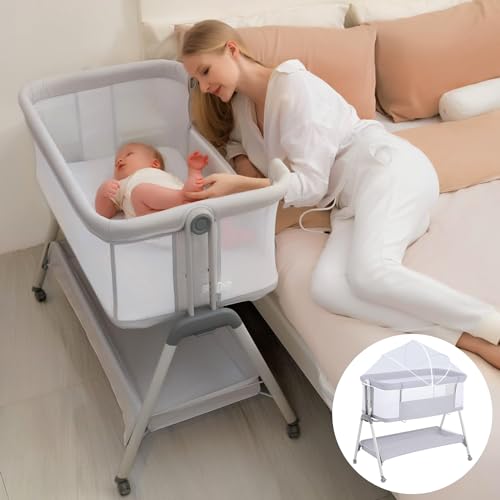
Many parents have found that bedding twins in moses baskets, or a smaller bassinette, can be a good solution for situations that are temporary, like hospital stays or a visit to the family. This should only be done under the supervision of by a healthcare professional. They will make sure that the babies are appropriately placed, with their feet at the foot of the crib, and all bedding put into.
Safety
When twins sleep together, the most important safety feature is that each baby has his or her individual space to sleep. This helps prevent each baby from being smothered, choked, or otherwise being choking by the other. It also helps prevent the death of a cot, which is more prevalent in infants with one parent than in multiples.
The American Academy of Pediatrics suggests that tritons, twins and higher-ordered multis have their own sleeping area. The best method to achieve this is by having an additional bassinet or twin bedside cots that could be positioned close to your bed while you feed or soothe one of the babies throughout the night.
While recent SIDS risk reduction guidelines from the American Academy of Pediatrics encourage room sharing with parents and discourage cobedding however, the reality is that a lot of families of twins and higher-order multiples aren't able to comply with these guidelines (1). A previous study revealed that a large majority of families with twins who were cobedded during the first three months at home, used unsafe sleep practices (room sharing without cobedding).
Parents of twins might not adhere to current SIDS risk reduction recommendations due to a desire prolong their own sleep and the inability to accommodate multiple cribs at home. Additionally the socioeconomic status of a family could affect their the arrangement of their sleep.
If twins are put in a small Moses basket or crib, their bedding can easily be pulled together and they could choke eachother. If you decide to put your twins in the same cot together, make sure they are placed in an area where their feet are next to their heads and their bedding is tucked into each cot securely. This will reduce the chance of them choking on each one.
A bassinet that is positioned at the bedside, like the Halo Bassinest Twin, is one of the safer and more convenient options for twins that want to be able to sleep independently. This double bassinet has an enclosed mesh wall that can separate twins and provide them with their own flat, secure mattress to sleep on. It rotates 360 degrees so you can bring one of your babies closer to you for feedings or calming without leaving the comfort of your bed. Its side walls lower and auto-return when you move. It's also easy to clean and fits in a standard twin bed frame. If you're looking for a less expensive alternative, consider the Delta Children Twin EZ Fold Double Bassinet, which is available at Walmart and has similar features as the Halo Bassinest.
Comfort
It's a huge change to welcome twins or multiples into the world. They also require a great deal of planning and consideration when it comes to their sleeping arrangements and how they'll get a good night's sleep. While decisions about their future bedroom space are made as they age, parents often wonder what they can do to help them get comfortable in the early stages.
It is possible for twins to share a crib when they are small. Co-bedding is a method of comforting newborns by bringing them back to their mother's womb. It is important to make sure the beds are large enough to allow the infants to be comfortable without touching or rolling around. It is also important to keep in mind that the baby who wakes first needs to be fed. It is helpful to coordinate night feeds to ensure that you wake up one baby before the other.
It is important to be aware that twins may have different sleep routines. It could be that one of them wakes more than the other or prefers to be closer to you. In this instance, it might be best for twins to have their own bassinet or crib in their room.
Find twin bedside cots with mesh dividers that are breathable to create separate sleeping areas. This is crucial for infants who are at risk of heat stroke or for families in which mothers have had a C-section. Other beneficial features include an adjustable base, built-in storage space for toys and blankets, and easy-to-maneuver wheels. The Arm's Reach cot is an excellent option for this purpose because it has a spacious sleeping area and is designed with moms who have c-sections in mind. Other options are the Graco Pack 'n Play and the Fisher-Price Easy Swaivel, but they offer less sleeping space than the Arm's Reach cot.
It is not recommended that twins sleep in the same bed as an adult even if they're very close. There is a higher risk of SIDS and can cause suffocation, strangulation or entrapment. Instead the American Academy of Pediatrics recommends that twins remain in their safe sleeping spaces, such as bassinets or cribs in their parents' rooms for the first six months.